People notice the name. A Thai jewellery brand, a studio in Bangkok, a shop in Siam Square — and a name that’s unmistakably Japanese. The question comes up often: why Kamesama? This is the real answer, told for the first time.ทุกคนสังเกตชื่อ — แบรนด์เครื่องประดับไทย สตูดิโอในกรุงเทพฯ ร้านในสยามสแควร์ แต่ชื่อเป็นภาษาญี่ปุ่นอย่างชัดเจน คำถามเกิดขึ้นบ่อย: ทำไมถึงชื่อ Kamesama? นี่คือคำตอบที่แท้จริง เล่าออกมาเป็นครั้งแรก
Kyoto, and a Word That Wouldn’t Leaveเกียวโต และคำที่ไม่ยอมจากไป
The founder of Kamesama studied in Kyoto. If you’ve spent time in Japan — especially in Kyoto, a city layered with shrines, temples, and a thousand years of careful craft — you’ll know that the word Kamisama (神様, “God” or “divine being”) appears everywhere. In conversation, at torii gates, in the small rituals of daily life. It’s a word that carries weight without being heavy. You hear it and you feel it.ผู้ก่อตั้ง Kamesama ใช้ชีวิตช่วงหนึ่งในเกียวโต ถ้าคุณเคยอยู่ญี่ปุ่น โดยเฉพาะเกียวโต เมืองที่ซ้อนทับกันด้วยศาลเจ้า วัด และงานฝีมือนับพันปี คุณจะรู้จักคำว่า Kamisama (神様, “พระเจ้า” หรือ “สิ่งศักดิ์สิทธิ์”) ได้ดี มันอยู่ทุกที่ ในการสนทนา ที่ประตูโทริอิ ในกิจวัตรเล็กๆ น้อยๆ ของชีวิตทุกวัน เป็นคำที่มีความหมายลึก แต่ออกเสียงได้เบา ได้ยินแล้วรู้สึกได้
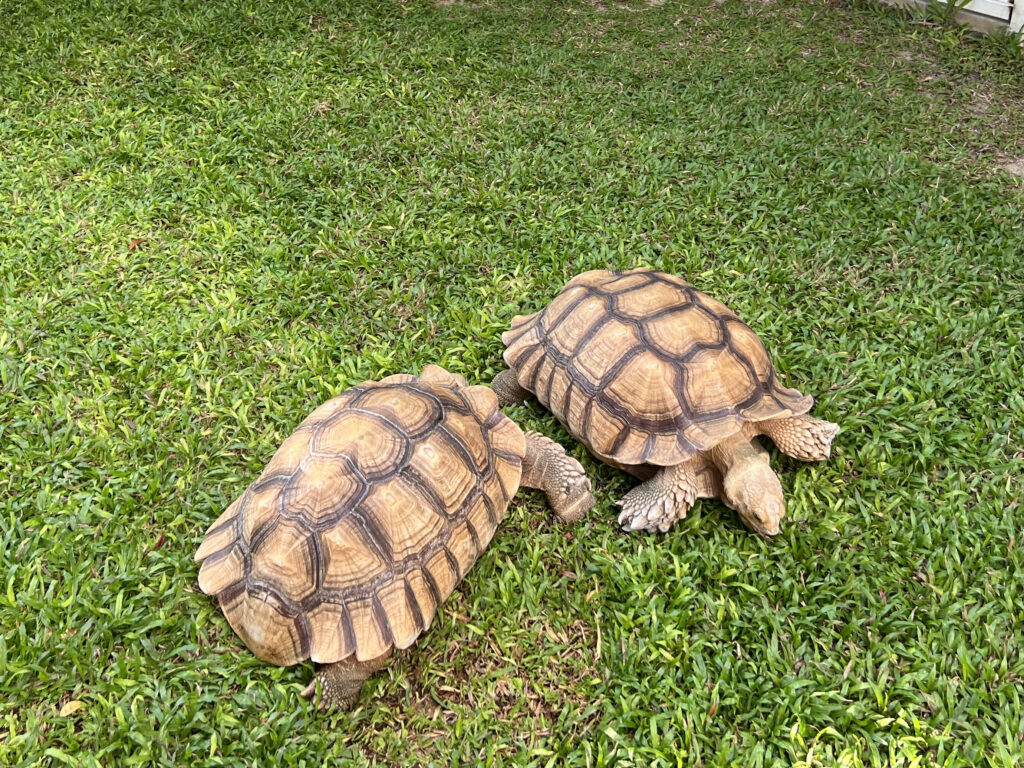
At the same time, back home in Thailand, there were two tortoises. Turtles and tortoises have been a quiet obsession — the way they move through the world deliberately, without hurry, carrying everything they need with them. Patient. Unhurried. Built to last.ในเวลาเดียวกันนั้น ที่บ้านในไทย มีเต่าอยู่สองตัว มันเป็นความผูกพันเงียบๆ ที่อยู่ในใจมาโดยตลอด ชื่นชมในวิถีที่พวกมันใช้ชีวิตผ่านโลก ค่อยๆ เดินไปข้างหน้า ไม่รีบร้อน แบกบ้านไว้บนหลังตัวเอง ใจเย็น สงบนิ่ง และยั่งยืน
And then one day in Kyoto, hearing Kamisama for what must have been the hundredth time, something shifted. Kami… Kame. The sounds were so close. And suddenly there was a name — Kamesama. Lord Turtle. A word that didn’t exist before that moment, that felt like it had always existed.แล้ววันหนึ่งในเกียวโต เมื่อได้ยิน Kamisama ซ้ำแล้วซ้ำเล่าจนนับไม่ถ้วน บางอย่างก็เปลี่ยนไป Kami… Kame. เสียงมันใกล้กันมากเกินไป และทันใดนั้นก็มีชื่อเกิดขึ้น — Kamesama เจ้าเต่า คำที่ไม่เคยมีมาก่อนช่วงเวลานั้น แต่รู้สึกราวกับว่ามันมีมาตลอดแล้ว
A Name That Fitsชื่อที่ลงตัว
In Japanese, sama (様) is an honorific — a mark of deep respect. It’s attached to people, to guests, to things held in high regard. Okyaku-sama (valued customer). Hime-sama (princess). To attach -sama to something is to say: this matters. This deserves care.ในภาษาญี่ปุ่น sama (様) คือคำยกย่อง — เครื่องหมายแสดงความเคารพอย่างลึกซึ้ง ใช้ต่อท้ายชื่อคน แขก หรือสิ่งที่ให้ความสำคัญ Okyaku-sama (ลูกค้าที่มีค่า) Hime-sama (เจ้าหญิง) การต่อ -sama เข้ากับบางสิ่งคือการบอกว่า สิ่งนี้มีความหมาย สิ่งนี้สมควรได้รับการดูแล
Kamesama, then, is a brand built on that same idea. The things we make deserve care. The people we make them for deserve care. The craft itself — slow, deliberate, done by hand — deserves care. A turtle doesn’t rush. Neither do we.Kamesama จึงเป็นแบรนด์ที่สร้างขึ้นบนแนวคิดเดียวกัน สิ่งที่เราทำสมควรได้รับการดูแล คนที่เราทำให้สมควรได้รับการดูแล งานฝีมือที่ช้า ตั้งใจ และทำด้วยมือ ก็สมควรได้รับการดูแลเช่นกัน เต่าไม่รีบร้อน เราก็เช่นกัน
And Kame Homu?แล้ว Kame Homu?
The workshop studio is called Kame Homu — turtle home. A small, warm space in Pradiphat where people come to make something with their hands. The name is deliberately simple: a place where the turtle lives, where things are made carefully, where nobody is in a hurry.สตูดิโอของเราชื่อว่า Kame Homu — บ้านเต่า พื้นที่เล็กๆ อบอุ่นในซอยประดิพัทธ์ที่ผู้คนมาทำบางอย่างด้วยมือตัวเอง ชื่อนี้เรียบง่ายโดยตั้งใจ เป็นสถานที่ที่เต่าอาศัยอยู่ ที่ซึ่งทุกสิ่งถูกสร้างขึ้นอย่างช้าๆ และไม่มีใครรีบร้อน
Why Tell This Story Nowทำไมถึงเล่าเรื่องนี้ตอนนี้
For a long time, this story stayed private — a worry that mixing the sound of Kamisama with a turtle might feel disrespectful to Japanese culture. But the truth is the opposite. The name came from a deep affection for Japan — for Kyoto specifically, for the way that city holds its traditions carefully, for the word sama and everything it carries. Kamesama isn’t mocking anything. It’s a small tribute, born in a city that deserves one.เป็นเวลานานที่เรื่องนี้เก็บไว้ในใจ เพราะกลัวว่าการนำเสียง Kamisama มาผูกกับเต่าจะดูเหมือนไม่ให้เกียรติวัฒนธรรมญี่ปุ่น แต่ความจริงนั้นตรงข้าม ชื่อนี้เกิดจากความรักที่มีต่อญี่ปุ่น โดยเฉพาะเกียวโต ต่อวิธีที่เมืองนั้นรักษาประเพณีอย่างระมัดระวัง ต่อคำว่า sama และทุกความหมายที่ซ่อนอยู่ในนั้น Kamesama ไม่ได้ล้อเลียนสิ่งใด มันคือการแสดงความรักเล็กๆ ต่อเมืองที่ประทับใจ
In Japan, turtles are symbols of longevity and good fortune — kame appears in ancient poetry, in temple carvings, in the folktales every child grows up hearing. To give a turtle the honorific -sama is, in its own small way, entirely Japanese.ในญี่ปุ่น เต่าเป็นสัญลักษณ์ของอายุยืนและโชคดี kame ปรากฏในบทกวีโบราณ งานแกะสลักตามวัด และนิทานที่เด็กๆ ญี่ปุ่นทุกคนเติบโตมาด้วย การต่อ -sama เข้ากับ kame จึงเป็นสิ่งที่รู้สึกถูกต้องในแบบญี่ปุ่นมากๆ
The Two Tortoisesเต่าสองตัว
They’re still at home. Still slow, still unhurried, still carrying everything they need with them. The brand was named for them as much as for any philosophy. Sometimes the best ideas don’t come from strategy — they come from a sound you heard in a city you loved, and two animals who taught you, without meaning to, that there’s nothing wrong with taking your time.พวกมันยังอยู่ที่บ้าน ยังช้า ยังไม่รีบร้อน ยังแบกบ้านไว้บนหลังตัวเอง ชื่อแบรนด์นี้เป็นของพวกมันพอๆ กับที่เป็นของปรัชญาใดๆ บางครั้งไอเดียที่ดีที่สุดไม่ได้มาจากกลยุทธ์ แต่มาจากเสียงที่ได้ยินในเมืองที่รัก และจากสัตว์สองตัวที่สอนโดยไม่รู้ตัวว่า — ไม่มีอะไรผิดกับการใช้เวลาอย่างช้าๆ
Come make something at Kame Homuมาทำบางอย่างที่ Kame Homu
The studio is open daily. No experience needed — just bring yourself and two hours. We’ll take care of the rest.สตูดิโอเปิดทุกวัน ไม่ต้องมีประสบการณ์ แค่พาตัวเองและสองชั่วโมงมา เราจะดูแลส่วนที่เหลือ